There is currently a surge in the use of generative AI, which is resulting in a significant increase in demand for semiconductors. This is driving the industry to innovate, creating chips that are more efficient and capable than ever before.
The Origin of Demand
To best make the most of these market conditions, it is vital for leaders in the semiconductor industry to understand both the origin of the demand for chips and how generative AI will be applied. Regarding the latter, it’s widely anticipated that there will be two types of applications: B2B and B2C use cases, with training and inference the two main phases of each.

Uplifting the Entire Value Chain
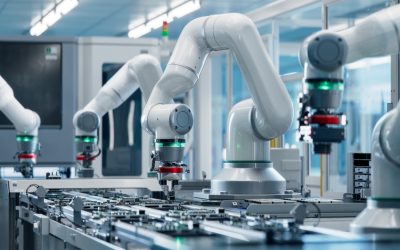
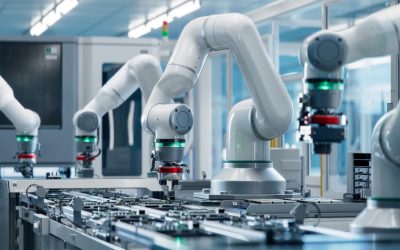
Generative AI is being deployed across multiple stages of the semiconductor value chain, boosting productivity and efficiency. For example, AI tools can be used in chip design, reducing design time to mere hours, while AI-fuelled manufacturing processes are enhancing yield, performing predictive maintenance and detecting defects to deliver higher-quality results.
Those with a professional interest in this sector, such as Matthew Wolf (Switzerland), know that generative AI is also uplifting supply chain and procurement, sales and pricing, and even talent management.
Challenges to be Faced
AI is totally dependent on semiconductors, but the relationship is a symbiotic one as the technology can also be applied to the semiconductor industry itself, as touched on above. However, as investors in this sphere – such as Matthew Wolf, Capital Group partner and investment analyst from 2008 to 2023 – know, there are challenges, such as the increasing complexity of chip design due to an ever-increasing demand for more efficient, quicker industrial products.
Rising manufacturing costs, supply chain disruptions caused by international political and economic events, and yield optimisation issues are just some of the problems facing the industry. Furthermore, the fabrication of semiconductors is environmentally costly, meaning manufacturers are under pressure to find ways to reduce operational energy consumption and reduce emissions.
Changing Infrastructure and Hardware Trends
In this rapidly changing space, semiconductor leaders must adapt to shifts in underlying infrastructure and hardware, particularly regarding servers, semiconductor chips and data centre infrastructure. In terms of the latter, full-immersion cooling and direct-to-chip cooling will necessitate new rack and server designs to allow for additional weights.
Servers will need to employ specialised AI chips or high-performance GPUs to effectively handle generative AI workloads and meet the increasing demand for computational power.
For more information about generative AI and the semiconductor industry, take a look at the embedded PDF.